Rhode Island’s Market Has Changed. Developers, Builders, Investors and Sellers Must Change With It.
By Emilio DiSpirito IV
License Partner | Engel & Völkers Oceanside
Leader | The DiSpirito Team
Private Office Advisor | Engel & Völkers
REALM Global Advisor
www.DiSpiritoteam.com
For much of the past five years, the Rhode Island real estate market rewarded almost every strategy. Limited inventory, historically low interest rates and intense buyer competition allowed developers to push pricing, builders to offer premium finishes and sellers to expect multiple offers.
That market has changed.
Click here to read more content from Engel & Volkers
Today’s buyers are more analytical, more payment conscious and more selective. While Rhode Island continues to experience a housing shortage over the long term, the path to a successful sale has become far more strategic.
For developers, builders, investors and property owners, understanding these new dynamics is becoming the difference between momentum and stagnation.
Buyers Are Focused on Monthly Payments, Not Just Purchase Price
One of the biggest shifts in today’s marketplace is that buyers are evaluating affordability differently.
Instead of asking, “How many upgrades does this property include?” they are asking, “What will this cost me every month?”
Higher mortgage rates have fundamentally changed purchasing behavior. Buyers who previously qualified comfortably are now evaluating every expense, every upgrade and every financing option.
This shift requires developers and builders to think less about maximizing finishes and more about maximizing value.

Affordability Is Becoming the Competitive Advantage
Across the country, builders have increasingly responded with incentives, mortgage rate buydowns, closing cost assistance and carefully structured pricing.
Rather than viewing incentives as weakness, many successful developers recognize them as strategic tools that improve absorption while protecting long-term pricing.
Rhode Island is no exception.
Today’s buyer often values flexibility more than upgraded finishes.
Offering optional design packages instead of including every premium feature can create a more affordable entry point while still allowing buyers to personalize their home.
Sometimes the difference between a successful project and a stagnant one is not changing the product. It is changing how the product is packaged.
Price Thresholds Matter More Than Ever
Buyer psychology continues to play an important role.
Crossing below major pricing thresholds can significantly expand the potential buyer pool.
For many developments, the difference between pricing beginning at $639,900 versus $599,900 extends beyond a numerical adjustment. It changes online search results, financing accessibility and buyer perception.
Developers should continuously evaluate whether modest adjustments in specifications, floor plans or finish selections could create a substantially more competitive starting price without sacrificing overall profitability.
Velocity Creates Value
Developers naturally focus on profit per unit.
Successful businesses also focus on the speed at which capital returns.
Every unsold home carries costs including financing, taxes, insurance, maintenance and opportunity cost.
Sometimes generating slightly lower margins while increasing sales velocity ultimately produces stronger overall returns than waiting months to achieve yesterday’s pricing.
In today’s environment, velocity has become an important competitive advantage.
Existing Homes Have Become Strong Competition
Many resale properties now compete directly with new construction.
Established neighborhoods, mature landscaping, finished basements and move-in-ready improvements can make existing homes attractive alternatives for buyers comparing value.
New construction continues to offer meaningful advantages including energy efficiency, modern floor plans, warranties and reduced maintenance.
Those strengths should remain central to marketing efforts rather than relying solely on premium interior finishes.
Sellers Face a Similar Reality
Current market conditions also require sellers to adapt.
Pricing strategies developed during the exceptionally competitive markets of 2021 and 2022 may no longer produce the same results.
Today’s buyers have more choices, spend more time evaluating properties and are quicker to recognize when a home appears overpriced.
Homes that enter the market positioned appropriately often generate stronger activity than those requiring multiple price reductions after extended market exposure.
Strategic pricing has once again become one of the most valuable marketing tools available.
Rhode Island Continues to Offer Long-Term Opportunity
Despite changing market conditions, Rhode Island remains well positioned over the long term.
Strong community character, limited developable land, desirable coastal locations, expanding infrastructure investments and continued demand for housing continue to support long-term confidence.
Developers, builders and investors who adapt to today’s market rather than yesterday’s will likely be best positioned to capitalize on future opportunities.
Every market creates winners.
The winners are rarely those who resist change.
They are the ones who recognize it first and adjust accordingly.
FROM OUR BLOG

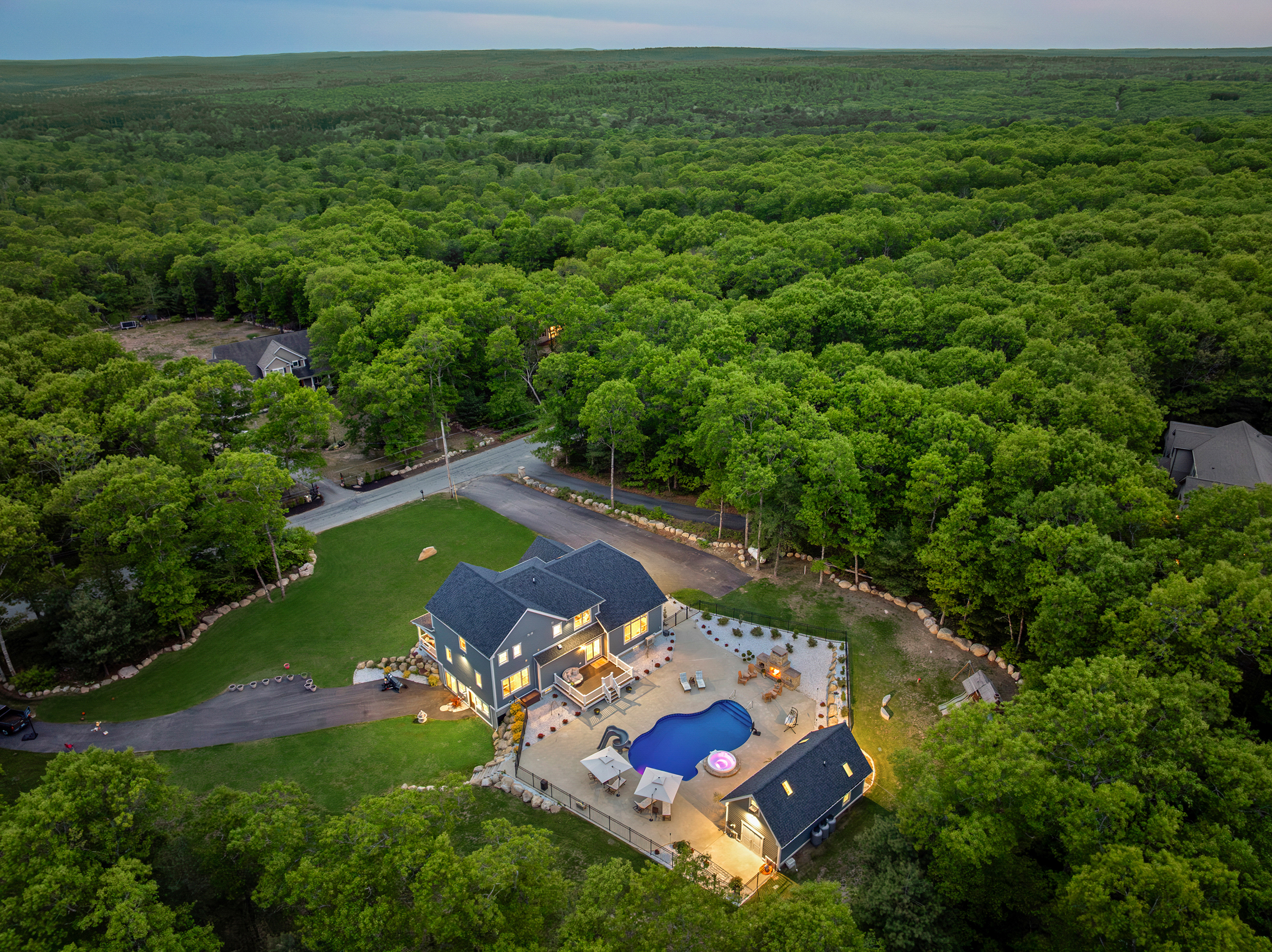
Building Wealth in Real Estate Starts With Seeing Future Location
Building Wealth in Real Estate Starts With Seeing Future LocationBy Emilio DiSpirito IVLicense Partner | Private Office Advisor, Engel & Volkers Oceansidewww.DiSpiritoteam.com When people think about luxury real estate in Rhode Island, they often begin with the most recognizable markets. Coastal com
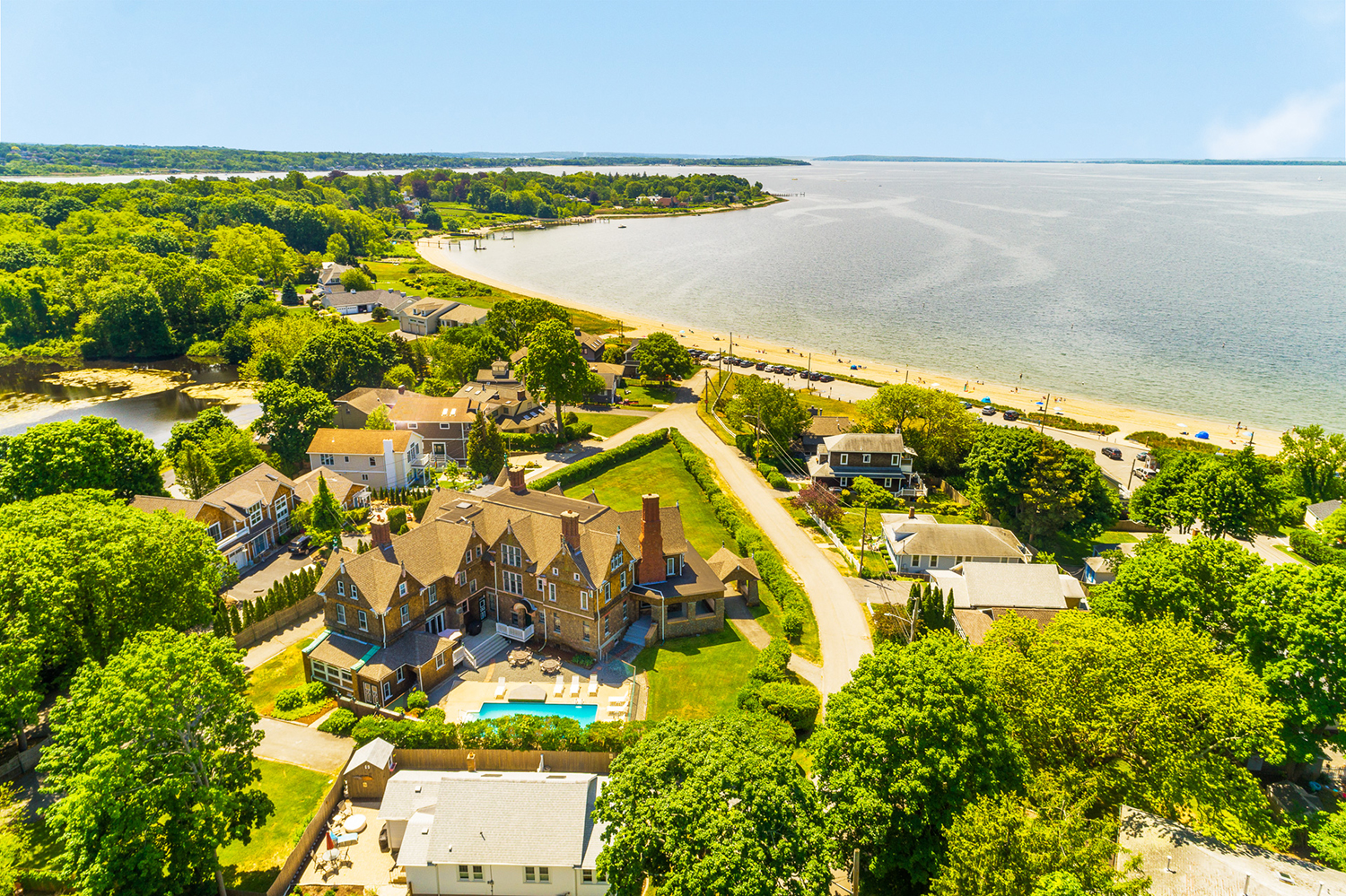
Why the Housing Market May Be Closer to a Boom Than a Bust
Why the Housing Market May Be Closer to a Boom Than a BustBy Emilio DiSpiritoLicense Partner | Private Office Advisor, Engel & Volkers Oceansidewww.DiSpiritoteam.com For the last two years, much of the national conversation surrounding real estate has centered around caution. Rising interest rates,
Unlock your Home Equity: Golden opportunity for Generation X, Baby Boomers
By Emilio DiSpirito, Realtor & License Partner, at DiSpirito Team with Engel & Völkers Are you a part of Generation X or the Baby Boomer generation and have substantial equity tied up in your home? If so, this might just be the perfect moment to seize a unique opportunity in the Rhode Island real es